Cover crops are one of the highest-ROI practices available to small and medium farms. When planned and tracked properly, they reduce fertilizer needs, improve soil structure, suppress weeds, and protect fields between cash crops—often paying for themselves within one to two seasons.
This guide explains which cover crops to choose, how to fit them into your rotation, how to track costs and benefits, and how farm management tools like AgroProfit help you measure whether cover crops are actually improving your bottom line.
What Are Cover Crops and Why They Matter
Cover crops are plants grown primarily to protect and improve soil rather than for harvest income. Common examples include rye, clover, vetch, oats, mustard, and radish. Unlike fallow ground, a living cover:
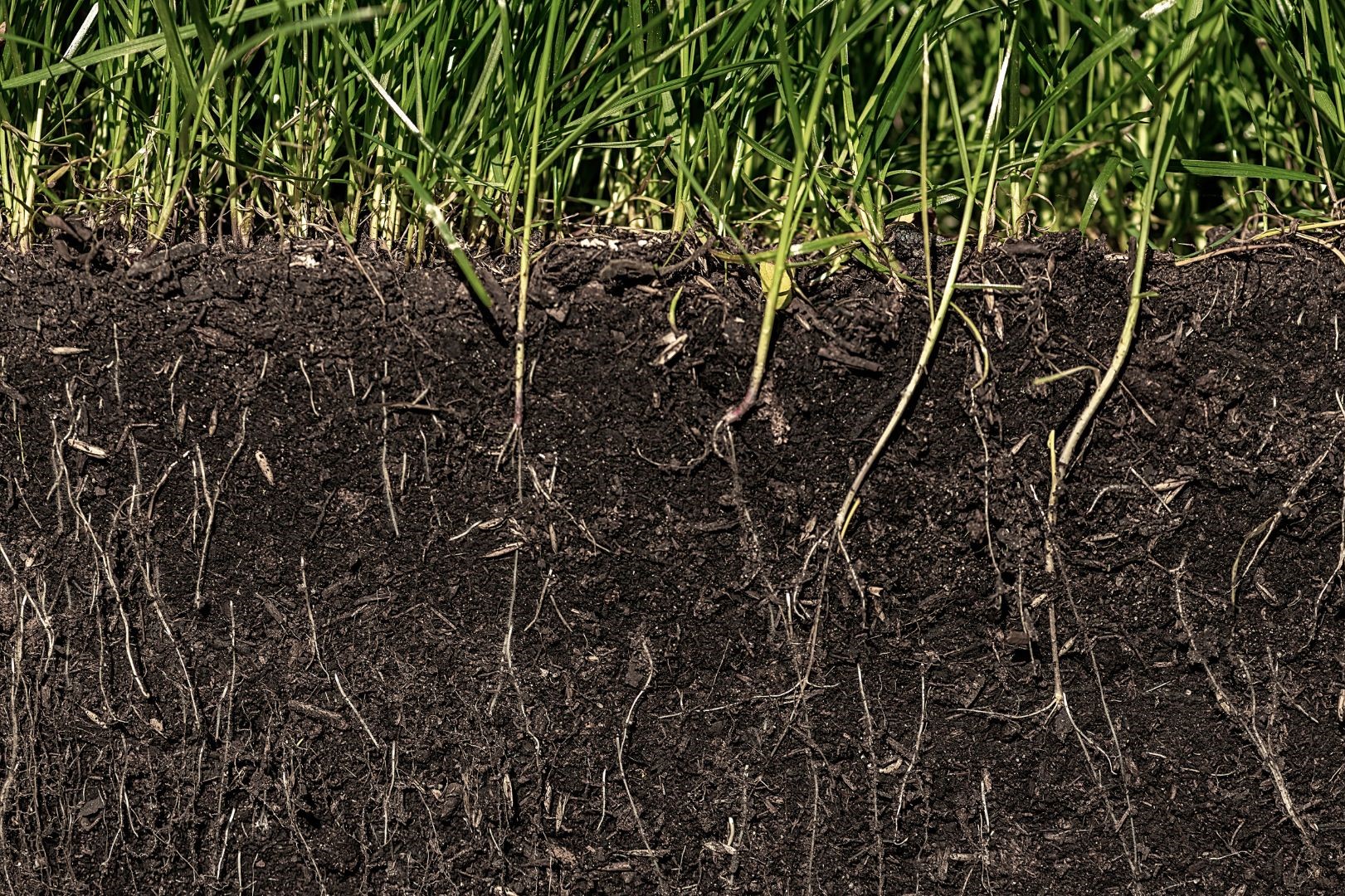
- Builds organic matter and soil structure
- Reduces erosion from wind and heavy rain
- Captures nutrients that would otherwise leach away
- Suppresses weeds between main crop seasons
- Can fix nitrogen when legumes are included
For farms with tight margins, the key question is not only agronomy—it is whether cover crops reduce fertilizer, herbicide, and yield risk enough to justify seed and planting costs.
Best Cover Crops for Small Farms
Rye (Cereal Rye)
Hardy, excellent for erosion control and weed suppression. Strong biomass production. Best as a winter cover before spring planting. Terminate early enough to avoid planting delays.
Clovers and Vetch
Legumes that fix nitrogen and can reduce N fertilizer needs for the following crop. Work well in cereal and vegetable rotations. Track estimated N contribution against fertilizer purchases to quantify savings.
Oats and Spring Mixtures
Useful for shorter windows. Oats winter-kill in cold climates, which simplifies spring management. Good entry option if you are new to cover cropping.
Radish and Mustard
Help break compaction and can reduce some soil-borne pest pressure. Often used in mixes with grasses and legumes for broader benefits.
How to Fit Cover Crops into Your Rotation
- Map your idle windows: After harvest until next planting is your opportunity
- Match species to goals: Nitrogen, erosion, weed control, or compaction
- Plan termination method: Herbicide, tillage, roller-crimper, or grazing
- Align with cash crop timing: Avoid delaying corn, soy, or vegetables
- Track every field: Record what was planted, when, and what followed
Without field history, cover crop decisions become guesswork. Farms that track rotations for 3+ years consistently make better species and timing choices.
Tracking Cover Crop Costs and Returns
Treat cover crops as an investment with measurable costs and benefits:
- Costs: Seed, planting fuel/labor, termination, opportunity cost of time
- Benefits: Lower fertilizer use, fewer herbicide passes, better yields, less erosion damage
Allocate these costs and savings to the field and following cash crop. Over two seasons you will see which cover crop systems improve profit per field—and which do not.
AgroProfit helps you log seed and operation costs by field, connect them to the next crop, and compare profit before and after adopting cover crops.
Common Cover Crop Mistakes
- Planting too late: Weak biomass and poor winter survival
- Terminating too late: Delayed planting and yield loss on the cash crop
- No clear goal: Mixing species without knowing what problem you are solving
- Not tracking costs: You cannot improve what you do not measure
- Ignoring field differences: Heavy soils and light soils need different strategies
Getting Started This Season
- Pick 1–2 fields for a trial
- Choose one simple species or mix aligned with your main goal
- Record seed cost, planting date, termination date, and following crop
- Compare fertilizer use and yield vs. similar fields without cover crops
- Scale what works next year
Start your free 60-day AgroProfit trial and begin tracking cover crop costs, field history, and profit impact in one place.
Conclusion
Cover crops improve soil and can cut input costs—but only when they are planned, terminated on time, and measured against real farm data. Start small, track every field, and let results guide expansion. Combined with rotation and expense tracking, cover crops become a strategic tool for long-term farm profitability.