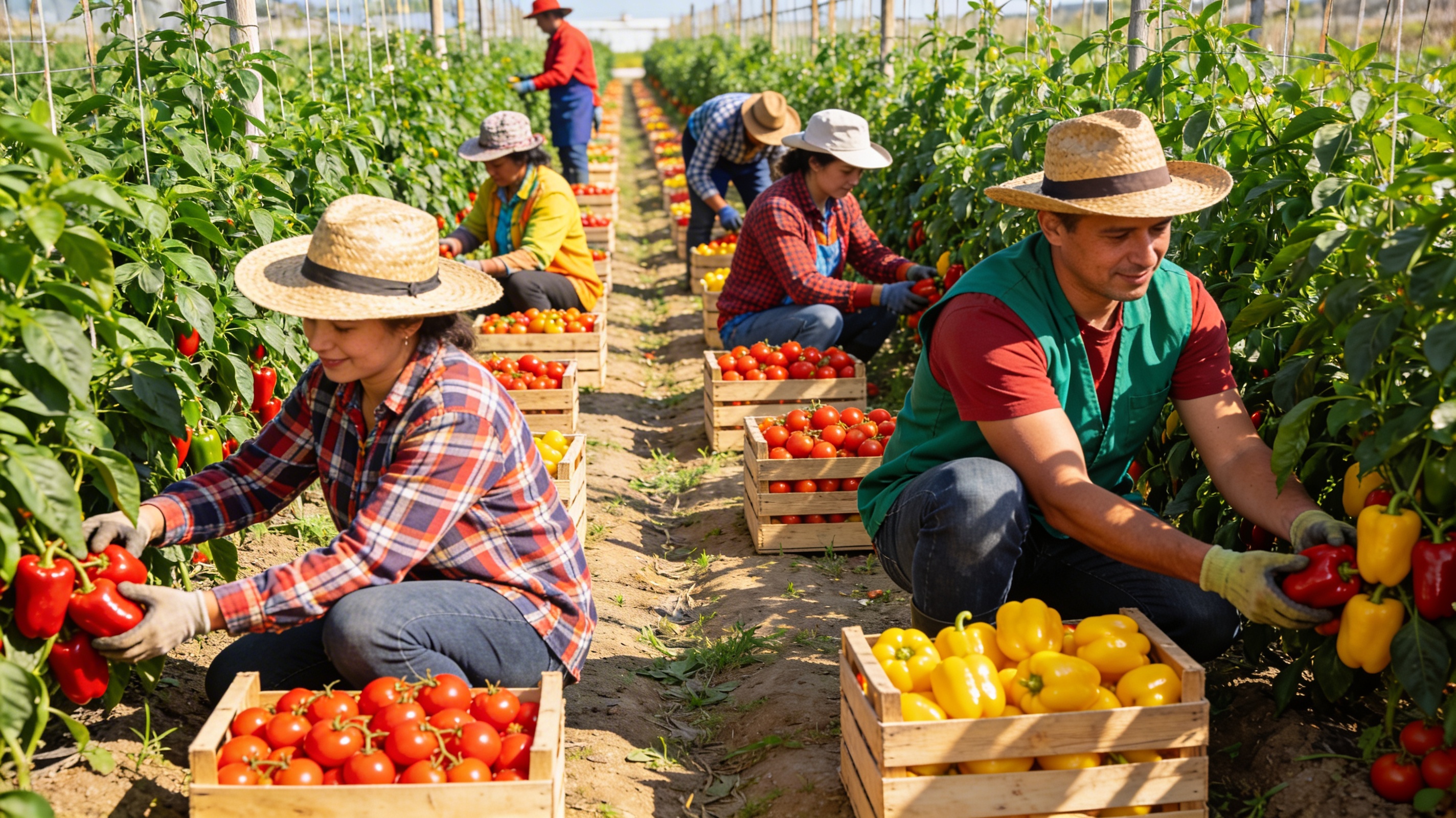
Healthy soil is the foundation of profitable farming. Yet many small farms struggle with declining soil fertility, compaction, erosion, and nutrient imbalances. Understanding soil management principles and implementing best practices can improve yields, reduce input costs, and build long-term farm profitability.
This guide covers essential soil management practices for small and medium farms, from soil testing to fertility management to building healthy soil over time.
Why Soil Management Matters for Small Farms
For small farms with limited acreage, every field needs to be productive. Poor soil management leads to:
- Declining yields: Soil fertility directly affects crop yields
- Higher input costs: Poor soil requires more fertilizer and amendments
- Increased pest pressure: Unhealthy soil leads to weaker plants and more pests
- Erosion and compaction: Poor management damages soil structure
- Long-term decline: Without good management, soil gets worse each year
Good soil management, on the other hand, can:
- ✅ Increase yields by 15-30%
- ✅ Reduce fertilizer needs by 20-40%
- ✅ Improve water retention and reduce irrigation needs
- ✅ Build soil health over time
- ✅ Reduce pest and disease pressure
Understanding Soil Basics
Soil Components
Soil is made up of:
- Minerals (45%): Sand, silt, clay—determines soil texture
- Organic matter (5%): Decomposed plant and animal material—critical for fertility
- Water (25%): Holds nutrients and supports plant growth
- Air (25%): Provides oxygen for roots and soil organisms
Soil Texture
Soil texture (sand, loam, clay) affects:
- Water retention and drainage
- Nutrient holding capacity
- Ease of tillage
- Root penetration
Most crops grow best in loam soils, but you can manage any soil type with the right practices.
Soil pH
Soil pH (acidity/alkalinity) affects nutrient availability. Most crops prefer pH 6.0-7.0. Outside this range, nutrients become locked up and unavailable to plants.
Essential Soil Management Practices
1. Regular Soil Testing
Soil testing is the foundation of good soil management. Test every 2-3 years, or annually if you're making major changes. Tests should measure:
- pH levels
- Macronutrients (N, P, K)
- Micronutrients
- Organic matter content
- Cation exchange capacity (CEC)
Use test results to guide fertilizer and amendment decisions. Don't guess—test.
2. Build Organic Matter
Organic matter is crucial for soil health. It:
- Improves water retention
- Provides nutrients as it decomposes
- Supports beneficial soil organisms
- Improves soil structure
- Reduces compaction
Build organic matter by:
- Adding compost or manure
- Using cover crops
- Leaving crop residues
- Reducing tillage
3. Manage Nutrients Strategically
Nutrient management should be based on:
- Soil test results
- Crop nutrient needs
- Expected yields
- Previous crop history
Track fertilizer applications by field and crop. This helps you:
- See which fields need more or less fertilizer
- Identify nutrient imbalances
- Reduce over-application (saves money)
- Improve yields through better nutrient timing
Farm management software like AgroProfit tracks fertilizer applications automatically, helping you manage nutrients more effectively.
4. Control Compaction
Soil compaction reduces yields by limiting root growth and water infiltration. Prevent compaction by:
- Avoiding field work when soil is wet
- Using controlled traffic patterns
- Reducing tillage intensity
- Building organic matter (improves soil structure)
5. Prevent Erosion
Erosion removes topsoil (the most fertile layer). Prevent it with:
- Cover crops
- Contour farming on slopes
- Reduced tillage
- Windbreaks
- Proper crop residue management
6. Use Cover Crops
Cover crops protect soil, add organic matter, fix nitrogen (legumes), and can break pest cycles. They're one of the most cost-effective soil management tools.
Fertility Management Strategies
Macronutrient Management
The three primary macronutrients are:
- Nitrogen (N): Promotes growth and yield. Often the most limiting nutrient. Apply based on crop needs and soil tests.
- Phosphorus (P): Important for root development and flowering. Builds up in soil over time.
- Potassium (K): Improves stress tolerance and quality. Important for many crops.
Track applications of each nutrient by field. This helps you:
- See nutrient trends over time
- Identify fields that need more or less
- Optimize fertilizer rates
- Reduce costs by avoiding over-application
pH Management
Most crops prefer pH 6.0-7.0. If pH is too low (acidic), add lime. If too high (alkaline), add sulfur or acid-forming fertilizers. Test pH regularly and adjust as needed.
Micronutrient Management
Micronutrients (zinc, boron, iron, etc.) are needed in small amounts but are essential. Deficiencies can limit yields even when macronutrients are adequate. Soil tests identify deficiencies.
Building Soil Health Over Time
Soil health improves gradually with good management. Key practices:
1. Increase Organic Matter
Aim to increase organic matter by 0.1-0.2% per year through:
- Cover crops
- Compost or manure applications
- Crop residue management
- Reduced tillage
2. Diversify Crop Rotations
Diverse rotations improve soil health by:
- Adding different types of organic matter
- Breaking pest cycles
- Managing nutrients differently
- Supporting diverse soil organisms
3. Reduce Tillage
Excessive tillage damages soil structure. Consider reduced tillage or no-till systems where appropriate.
4. Support Soil Biology
Healthy soil is alive with beneficial organisms. Support them by:
- Adding organic matter
- Avoiding excessive chemical use
- Maintaining proper pH
- Reducing compaction
Tracking Soil Management Practices
Effective soil management requires tracking:
- Soil test results over time
- Fertilizer and amendment applications
- Crop yields by field
- Cover crop plantings
- Tillage operations
This data helps you:
- See what's working and what isn't
- Make informed decisions about soil management
- Identify fields that need attention
- Track improvements over time
Farm management software like AgroProfit tracks all these practices automatically, making soil management easier and more effective.
Common Soil Management Mistakes
Avoid these mistakes:
- Not testing soil: Guessing about fertility wastes money and reduces yields
- Over-applying fertilizer: More isn't always better—excess nutrients can harm crops and waste money
- Ignoring pH: Wrong pH locks up nutrients, making fertilizer ineffective
- Neglecting organic matter: Soil without organic matter becomes less productive over time
- Not tracking applications: Without records, you can't see what's working
Soil Management for Different Soil Types
Sandy Soils
Sandy soils drain quickly but hold few nutrients. Manage by:
- Adding organic matter regularly
- Frequent, light fertilizer applications
- Using cover crops to protect soil
Clay Soils
Clay soils hold water and nutrients well but can become compacted. Manage by:
- Building organic matter to improve structure
- Avoiding field work when wet
- Using cover crops
Loam Soils
Loam soils are ideal but still need management. Maintain fertility and organic matter levels.
Getting Started with Better Soil Management
To improve soil management on your farm:
- Test your soil: Get baseline data on pH, nutrients, and organic matter
- Start tracking: Record all fertilizer applications, soil tests, and amendments
- Build organic matter: Add compost, use cover crops, manage residues
- Manage nutrients strategically: Base applications on tests and crop needs
- Monitor results: Track yields and soil health over time
Start your free 60-day AgroProfit trial and begin tracking soil management practices today. See fertilizer applications by field, track soil test results, and connect soil management to crop yields and profitability.
Conclusion
Good soil management is essential for profitable farming. It improves yields, reduces input costs, and builds long-term farm value. Start by testing your soil, then track all management practices. Use that data to make informed decisions that improve soil health and farm profitability over time.
For small farms, effective soil management can be the difference between struggling and thriving. Don't leave it to chance—test, track, and manage strategically.